Stewing Hens: Best Kept Culinary Secret

This weekend starts stewing hen season. But what exactly is a stewing hen?

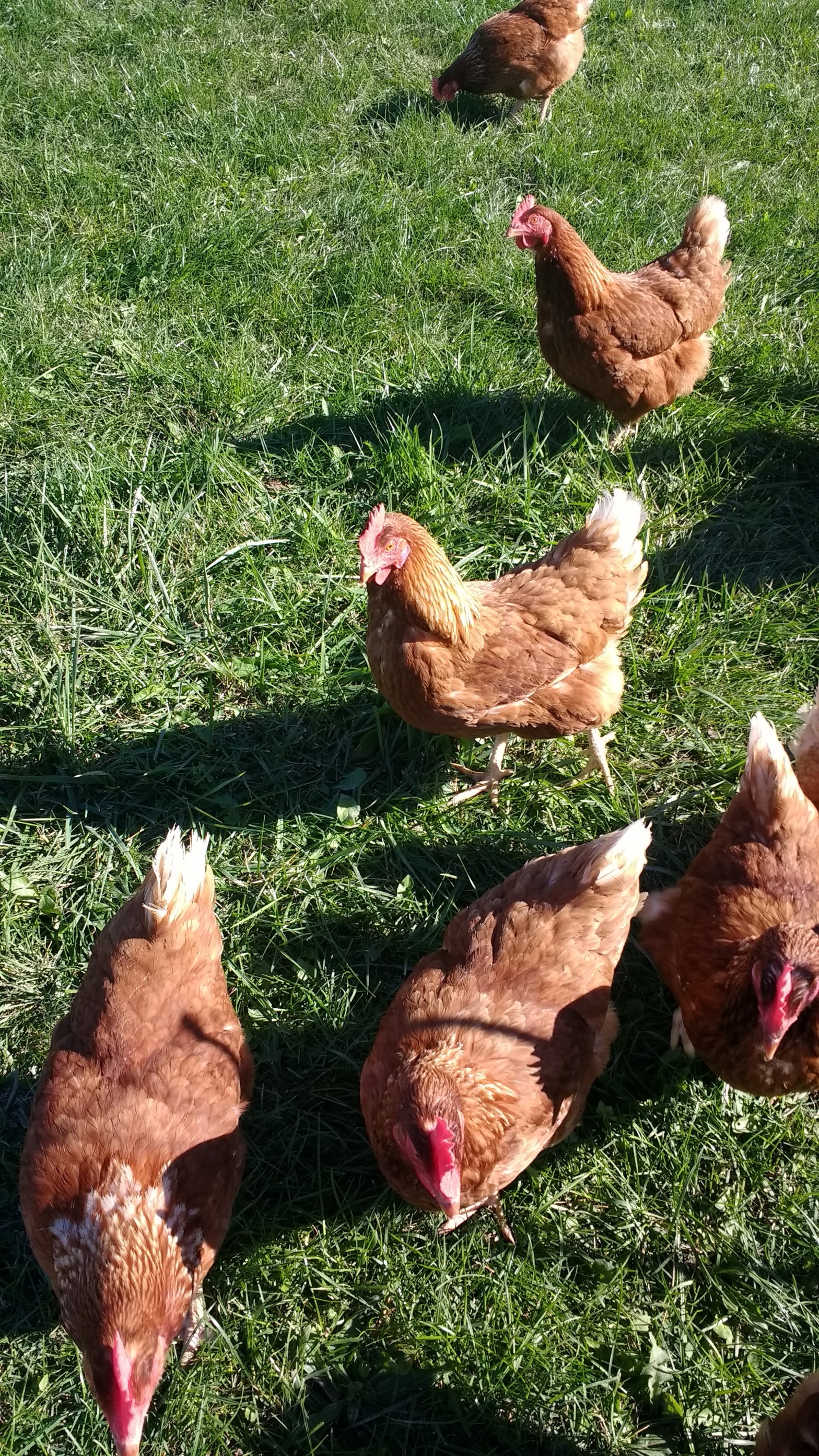
Not all chickens are the same. On our farm we have two different types, one kind is raised for meat and the other is specific to laying eggs. Once a year we have a group of egg laying hens that have to be retired because they no longer lay any eggs. As much as we’d like to send them to Florida to play shuffleboard  and eat dinner at four o’clock, on the farm we make it a habit to use absolutely everything.

This week marks our stewing hen season. They will be fresh for this one market weekend only and then we will bring them to the markets with us the rest of the winter frozen. These hens aren’t meant to be thrown on the grill or sauteed with garlic and tomato. They need to be cooked low and slow.

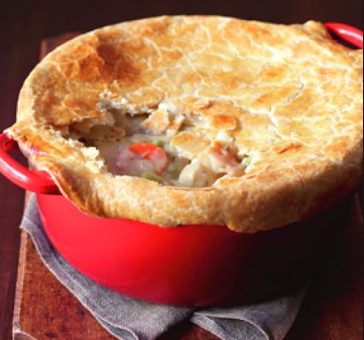
One of our favorite stewing hen recipes is chicken pot pie. It’s a multi step process, but boy oh boy it will be an absolute favorite for everyone in the house.

Chicken Pot Pie Recipe

Take the hen out of the bag, give it a rinse and set it in an 8 quart stock pot. Cut an onion into quarters, a carrot in half (don’t bother peeling it), a few cloves of garlic, and rough chop three celery ribs and put them in the pot. If you have a bay leaf throw that in there too. Add cold water to the pot until it covers the chicken and then about three fingers above that. Add a tablespoon of salt. Put that on medium heat with the lid on and forget about it for at least an hour and a half.

Now you can make the topping and put in the fridge for later. Instead of a traditional pot pie topping, use a biscuit recipe. Just roll it thin before placing it over the top. Make sure you cut a small ‘X’ in the center before you bake it or it could rise up and pop! Here’s a good recipe that just uses Bisquick as it’s base and probably a lot of other stuff you already have.

https://www.bunsinmyoven.com/biscuit-making-101/

When the stewing hen is starting to pull apart with a fork you can take it out of the pot and let it cool. Strain and reserved the liquid. That’s the chicken stock you’re going to make the pot pie with. Once the chicken is cool enough, remove the skin and pull the meat off. Chop it up a little and get it into bite sized pieces. Now you’re ready for the pot pie filling!

Dice onion, potato,carrot, celery and garlic and put it in a pan with some butter. Once the onions are translucent you can add the chicken stock you made. In a little sauce pan or a frying pan, make roux. You want a light roux. Here’s a step by step how to:

https://www.foodnetwork.com/how-to/articles/how-to-make-a-roux-a-step-by-step-guide

Once the stock is boiling and reduced a bit in your pan, add your roux to thicken, then add the chicken meat, and finally peas. Once this step is complete, make sure to taste it in case you have to add some seasoning. Fresh rosemary and thyme gives it a winter feel and don’t forget to salt and pepper to taste!

dutch oven

Place your pot pie filling directly in a pan that can go into the oven. Our friends grandmother used to put it in a hotel pan, top it with the biscuit dough and put it in the oven. We prefer a dutch oven. Roll out the biscuit topping and press it onto the sides of the dutch oven. Put it in the oven at 375. Since the pot pie filling is already hot all you have to do is watch for that biscuit to cook and you’re ready to eat.

We’ll have lots of other ideas for stewing hen use that we can’t wait to share.


The Uncertainty of Farm Life

Every day is something new on the farm. You never quite know what’s in store for you. Go in with a strong monthly, weekly, or daily plan and those plans can change in the blink of an eye.

It could be anything, too. Truck breaks down, tractor gets stuck, unexpected rain storm washes you out, anything to throw you off your game suddenly can happen. You kind of start to expect the unexpected, but it doesn’t make it any less frustrating when you have to stop what you’re doing to take care of something that you weren’t prepared for.

We’ve always been farmers so we can’t speak from personal experience, but in talking with friends and family it doesn’t seem that much different from any other job out there! Things come up constantly and you are always having to find new ways to make it work.

Life really isn’t much different. Things come out of the blue to throw you off your game all the time. Could be something as simple as a child getting the flu or as serious as someone close to you getting seriously ill. Those things are game changers in one way or the other and there’s no real way you can prepare for something that you don’t ever expect.

All you can do is try and keep your cool, stay centered, and make smart informed decisions as much as possible. The other thing you can do is ask for help. Never feel bad about asking for help when you need it. Too often we try to tackle projects that are just beyond our scope of comprehension and it only makes us more frustrated which never helps to solve any problems.

This is all stemming from us losing water pressure the other day and finding out there was a massive leak that needed to be dug up. Turns out it was a pinhole leak in the plumbing. But, man can that be frustrating. We had to bring someone else in to fix everything up and get the water back on. Never ideal to stop during peak harvest season to fix something you didn’t expect. But that’s life, the uncertainty of farm life!


How to Freeze 10 Ears of Corn

Corn may be one of the easiest things to preserve. When the summer is getting late it can be a good idea to buy some fresh corn and get it in the freezer. There’s nothing like pulling out some frozen local corn at Thanksgiving instead of grocery store bought or even worse…canned!

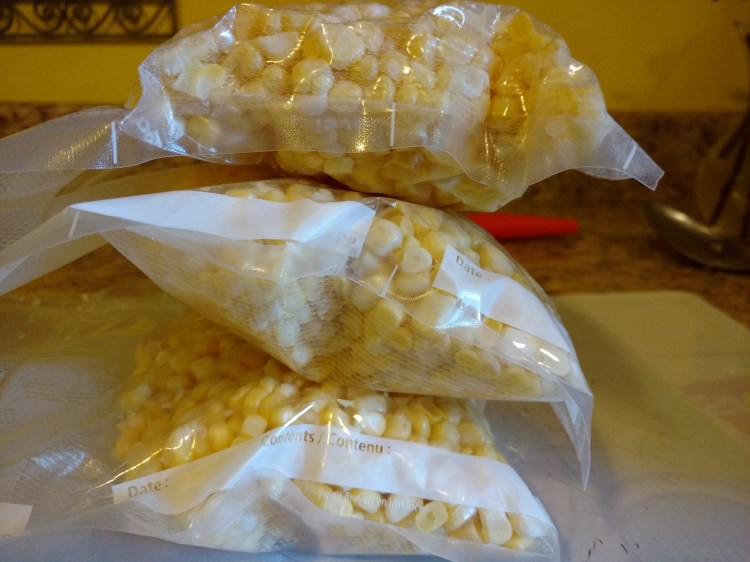
It doesn’t take much effort at all really and it will come out perfect every time. No need to blanch ahead of time or anything. We used a food saver sealer for ours but you certainly don’t have to. Instead, just buy some freezer bags (Make sure they are Freezer Bags and not gallon storage bags. The plastic is different. Storage bags will result in freezer burn!) place the corn in there and use a straw to suck all of the air out. You’re corn will stay good for up to a year!

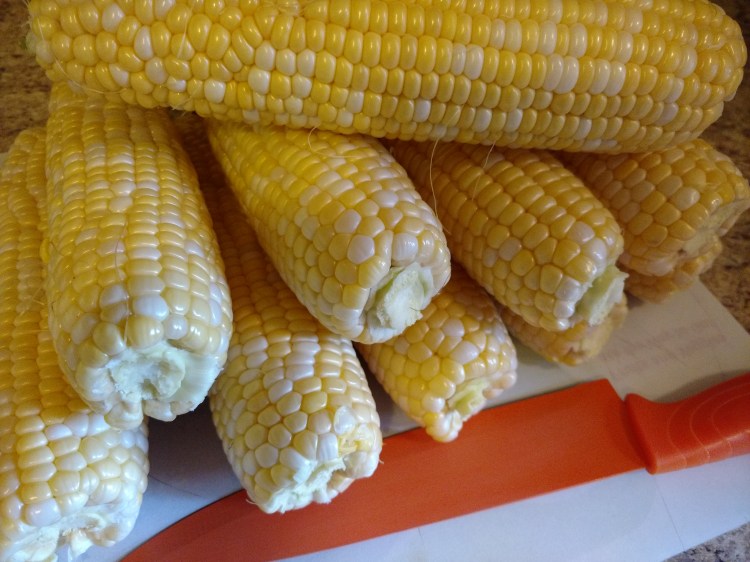
Fisher Hill Farm Local Corn

Use a sharp knife to take the corn kernels off the ear itself. Try and clean out as much of the hairs as you can but if you can’t get them all don’t worry about it. We pack ours up into one pound bags but you can easily do whatever size you like if you have room in the freezer.

10 ears of corn yields a little more than three pounds of kernels!

Fisher Hill Farm Local Corn - Frozen
Fisher Hill Farm Local Corn – Frozen

We packed up the three pounds and had a heaping cup of corn left. So we decided to chop half of a zucchini and mix them together with a clove of chopped garlic. Then we beat two eggs with a little bit of flour and mixed it all together with salt, pepper, and a little honey to make corn and zucchini pancakes. Optional if you’d like to top yours with chili garlic sauce! We did.

Fisher Hill Farm corn and zucchini pancake

They were delicious! 10 ears of corn is lots of frozen goodness and a meal for the family. Gotta love the summer, but it’s nice to bottle some of it up for later in the year, too.

Buying a Whole Local Chicken

Every week we offer fresh chicken at the farmers markets we attend. If you have never had a locally raised chicken then we highly recommend it. They really taste much different than your factory farmed raised chicken.

One of the things we hear from a lot of our friends at the market is that they would buy a whole chicken but they don’t want to have to cook the whole thing. But you don’t have to roast a whole chicken if you get a whole chicken! It’s very easy to break down a chicken into parts. It also cooks faster that way and you can freeze the parts your not ready to cook!

This video shows how easy it can be to simply follow the seams of where the bones are. You won’t see any cleavers or breaking of bones. If you follow the seams properly you don’t have to cut through bones. Check the video out!

This video doesn’t have instruction in it, but leave something in the comments here or on Youtube that you would like to see a video like that and we’ll get that arranged!

One of our regular market buyers told us a story about how he kept buying fresh chickens all summer long. He kept freezing the wings and the legs all summer only eating the breast and thighs. By the fall he had a huge meal of smoked wings and thighs with his friends and it was a huge hit!

You don’t have to be Jacques Pepin to cut up a whole chicken into parts. But it does take some practice. The best part is, you can’t mess up a whole chicken. Even if you don’t cut it into parts the way it’s meant to, you can still cook it and it’s still chicken!

Fresh local chicken tastes amazing and we want our market friends to have the best from our farm We stand by our product and would never feed anything to our own family that we wouldn’t give to our friends. We hope you try it out.

The Dirt is Finally Flying: A Crop and Field Report

It has been a super busy stretch here at the farm. We’ve had a few consecutive days without any significant rain and the wheels have been turning.

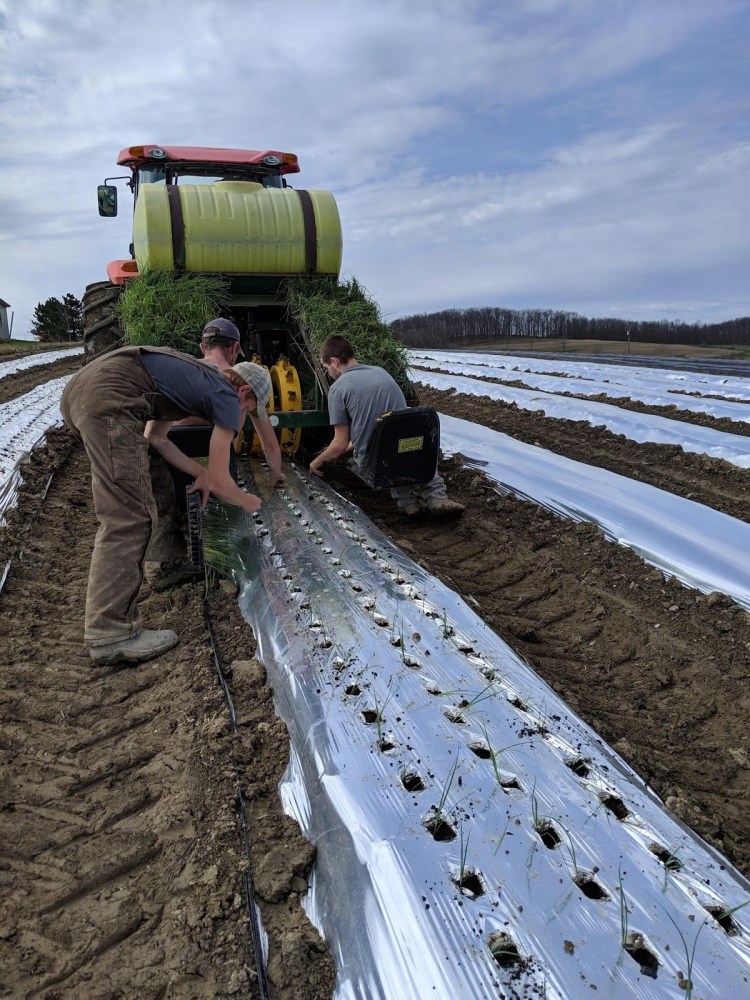
Since last Thursday we have been going hard and nonstop. Thursday we transplanted broccoli, cabbage, kale, swiss chard, and beets. Also had time to fit in a 15th wedding anniversary dinner with my beautiful bride. Friday we transplanted more beets, pumpkins, planted fall ornamentals, did some discing to smooth out the recently plowed soil. Saturday after market I picked up huge rocks with the loader. Sunday I did more discing. Monday we laid down black and white plastic mulch. Tuesday we transplanted celeriac, scallions, fennel, eggplant, tomatoes.

Fisher Hill Farm - Eat Local
Fisher Hill Farm – Eat Local

We’re finally starting to see light at the end of the tunnel. The only big items left are peppers, sweet potatoes, and winter squash. It doesn’t sound like much but they are all really big plantings.

The weather this spring has really been a downer. All the rain kept the fields saturated and the cool weather slowed down the drying out. I feel lucky that we have been able to chip away at the early spring crops and they are looking OK.

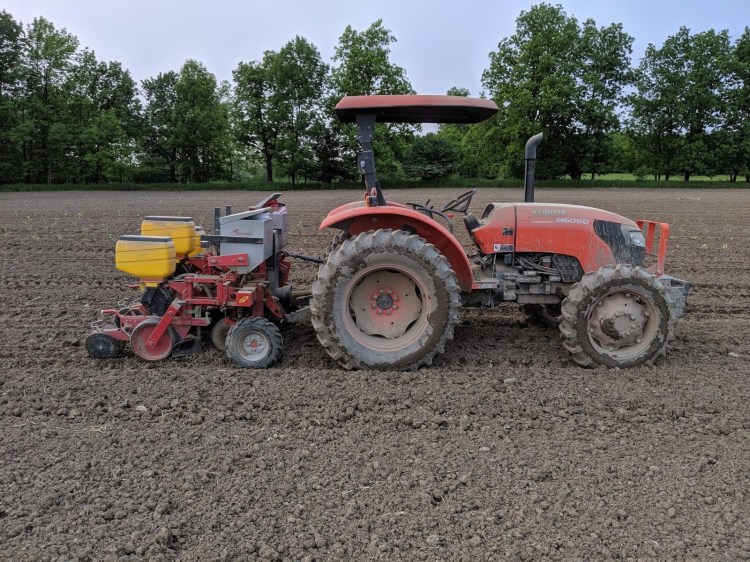
Fisher Hill Farm - planting in the field
Fisher Hill Farm – planting in the field

The cooler weather crops are doing great (onions, kale, lettuce, radishes, etc). Unfortunately, the warmer weather crops are pretty slow to get going (summer squash, cucumbers, beans, etc). Everyone on the farm has been working hard and the market table should reflect that.

This week’s share is a combination of new spring crops and storage crops from last season. We have really dialed in how to store many different veggies through the winter and you’ll enjoy them.

Veggies:

Asparagus

Lettuce

Radish

Bok choy

Micro greens

Pea & sunflower shoots

Rhubarb

Scallions

Spinach


Storage Veggies:

Potatoes

Onions

Carrots

Parsnips

Sweet potatoes

Rutabaga

Turnips

Kohlrabi

Beets

We also will have fresh chicken, eggs, and duck eggs available too.


Here’s where to find us from now through October:
Monday, Thompson Hospital (Canandaigua), 2:30pm-5:30pm
Tuesday, Victor Central Schools, 3:30pm-6pm
Wednesday, On-Farm pickup, 4:30pm-6:30pm
Thursday, Rochester Public Market 7am-12noon
Saturday, Rochester Public Market 6am-1pm
Sunday, Brighton Farmers Market, 8:30am-12:30pm

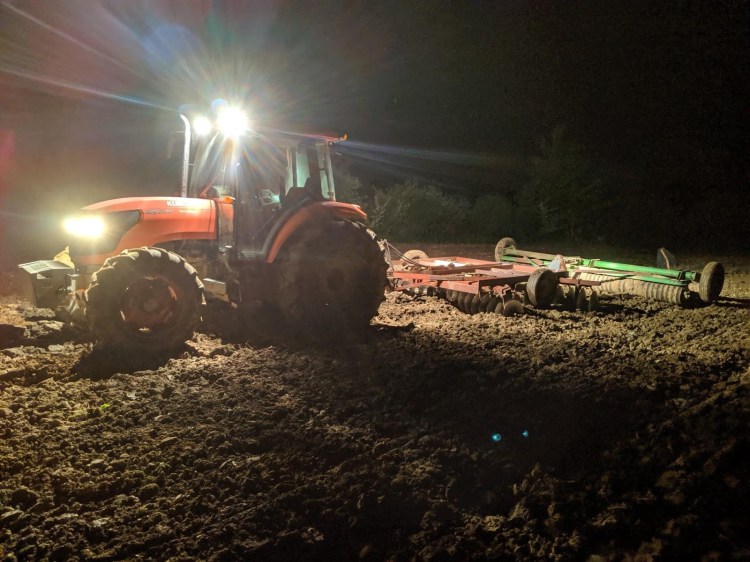
Fisher Hill Farm - Tractor at night in field
Fisher Hill Farm – Tractor at night in field